
In every community, there are organizations people turn to when life falls apart.
When a senior is choosing between medicine and rent. When a family loses everything after a hurricane. When a pregnant mother has nowhere else to go. When a child is hungry. When a victim of human trafficking needs safety. When someone is struggling with homelessness, isolation, or despair.
In Palm Beach County and across the Treasure Coast, Catholic Charities Diocese of Palm Beach is often one of those places.
For more than four decades, Catholic Charities has served as a critical safety net for vulnerable residents across Palm Beach, Martin, St. Lucie, Indian River, and Okeechobee counties. At a time when housing costs, food insecurity, and mental health challenges continue to rise, organizations like Catholic Charities are increasingly essential to the stability and wellbeing of our communities.
Recent national headlines surrounding cuts to Catholic Charities programs in Florida have reignited important conversations about the role faith-based nonprofits play in caring for vulnerable populations. Regardless of politics, one reality remains undeniable: communities cannot afford to lose organizations that provide essential human services.
The work of Catholic Charities extends far beyond what many people realize.
Last year alone, the organization’s Hunger, Homeless and Outreach Program provided homelessness prevention services to 2,760 Palm Beach County households representing more than 8,000 individuals, helping families avoid eviction, foreclosure, and utility shut offs. More than 3,300 food bags were distributed to struggling households, while over 2,000 Angel Food “SNAC” distributions helped address nutritional gaps for local children.
Following Hurricane Milton’s tornadoes, Catholic Charities’ Disaster Recovery Program assisted more than 500 households across the five counties served by the Diocese. More than a quarter million dollars in aid supported emergency housing, utilities, food assistance, transportation, and home repairs for families trying to recover and rebuild.
We also continue to serve vulnerable women, children, and families through several life-affirming programs. The Birthline/Lifeline Program assisted more than 2,000 expectant mothers and families last year through pregnancy testing, prenatal assessments, parenting support, and maternity resources — a 33% increase in services over the previous year.
Meanwhile, the Women’s Pregnancy Solutions Program assisted 185 women by providing ultrasounds, pregnancy tests, medical screenings, referrals, and case management support. The program also recorded 90 “change of heart” decisions — representing women who had previously considered abortion but ultimately chose to carry their pregnancies to term — a 34% increase over the prior fiscal year.
One of the organization’s most critical yet lesser-known efforts is the Bakhita Empowerment Program, which supports survivors of human trafficking in partnership with the Palm Beach County Sheriff’s Office. Last year, the program assisted 124 clients by providing safe housing, counseling, transportation, education, employment support, and other essential services to survivors rebuilding their lives after unimaginable trauma.
Catholic Charities also provides immigration legal assistance and refugee resettlement services for individuals and families seeking safety, stability, and lawful pathways forward. Last year, the Immigration Legal Services Program worked on more than 1,000 legal cases, while 88% of active refugees and asylees in the Refugee Resettlement Program secured employment within 240 days.
Importantly, these services are not limited to Catholics. Catholic Charities serves individuals and families of all faiths, backgrounds, and circumstances. The mission is rooted in human dignity and compassion, not religious qualification.
Organizations like Catholic Charities are often the first line of response long before government systems can intervene — and frequently after other resources have been exhausted.
Public funding for nonprofit human service organizations is not charity in the casual sense. It is an investment in community stability. Every eviction prevented, every counseling session provided, every family stabilized, and every disaster victim assisted reduces strain on shelters, emergency rooms, schools, law enforcement, and already overwhelmed public systems.
This work also depends heavily on community partnership. Last year, volunteers contributed thousands of service hours supporting outreach efforts, prison ministry, administrative support, and direct client services throughout the Diocese.
But no nonprofit can meet growing needs alone. This moment calls for thoughtful leadership and recognition that human services infrastructure matters just as much as physical infrastructure. Roads, schools, and public safety are essential. So are the organizations helping people survive crisis, rebuild stability, and regain hope.
In difficult times, organizations like Catholic Charities help ensure vulnerable individuals and families are not left behind. For thousands of people across our region, Catholic Charities is not simply a nonprofit organization. It is a lifeline for the most vulnerable among us.
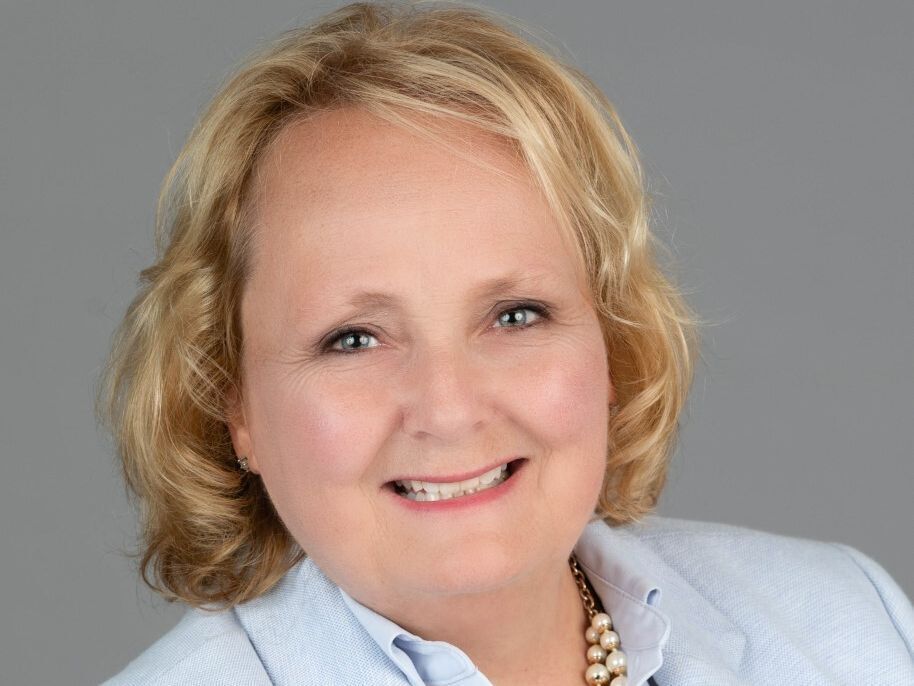
Ellen T. Wayne, Ed.D., is the CEO and Executive Director of Catholic Charities of the Diocese of Palm Beach, Inc., a comprehensive nonprofit family service organization with offices located in Palm Beach, Martin, St. Lucie, Indian River, and Okeechobee counties. Learn more at www.ccdpb.org/.